
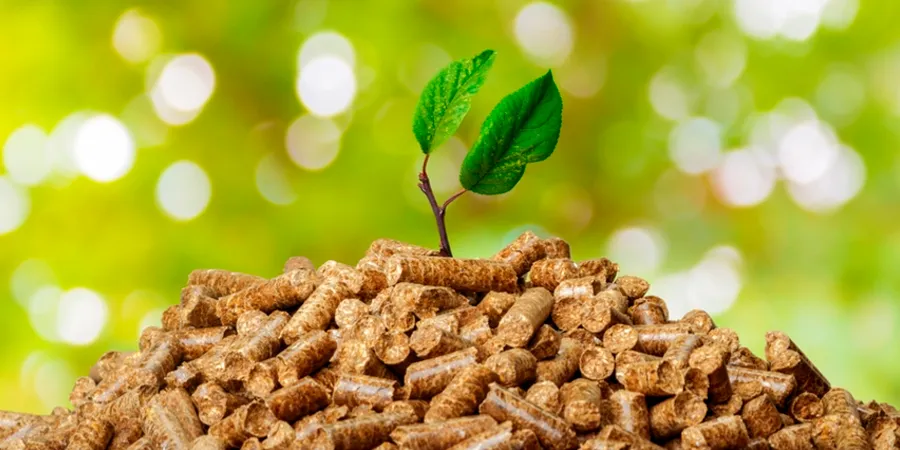
Biomass stands as a crucial yet underappreciated driver in Africa’s energy transition, offering solutions to persistent challenges of energy access and climate resilience. The continent faces a pressing reality, with over 600 million people lacking electricity and more than 900 million relying on traditional methods for cooking. The key challenge is not the resource itself but ensuring its use is efficient and sustainable.
Modernizing biomass use through clean cookstoves, biogas digesters, and biomass gasification systems significantly reduces indoor air pollution, slows deforestation, and enhances energy efficiency. These technologies are essential in remote areas where extending the electricity grid is not feasible. Decentralized solutions provide dependable off-grid energy, while larger-scale projects using agricultural residues, wood pellets, and other organic waste help balance national power grids and reduce reliance on fossil fuels. Biomass also supports the development of a circular economy by converting organic waste into energy, addressing waste management issues, and reducing methane emissions, a potent greenhouse gas. These issues are particularly relevant for rapidly urbanizing African cities, which face overloaded waste management systems.
To fully realize the potential of biomass requires strong policy frameworks, investments in clean technologies, and a firm commitment to sustainable resource management. Policymakers must ensure that the harvesting of biomass does not threaten food security or biodiversity. With appropriate incentives and responsible management, biomass can evolve from a resource of necessity into a strategic asset, supporting households, industries, and broader national development goals. Used wisely, it will not only bridge current energy gaps but become a cornerstone of Africa’s sustainable and resilient energy future.

